Understanding Northern Light

Northern light characteristics

The Nature of Northern Light

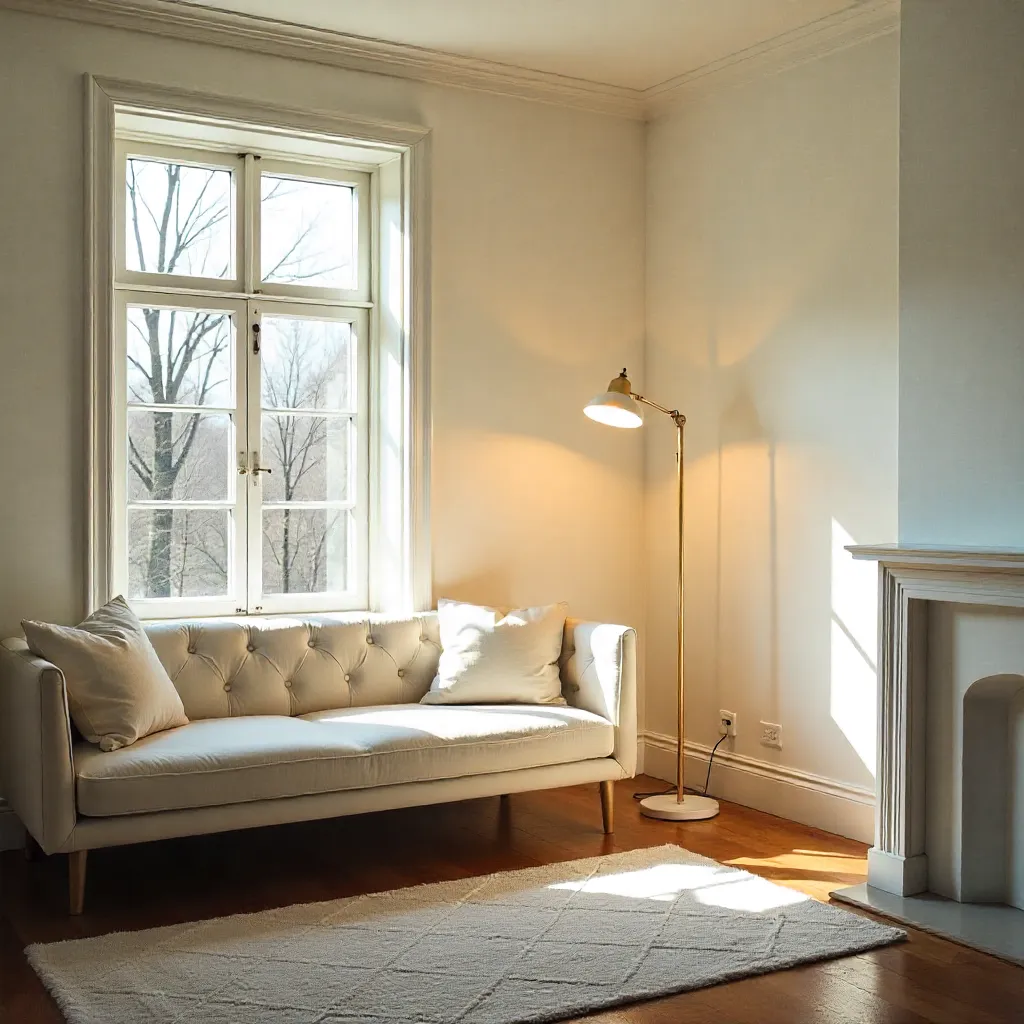
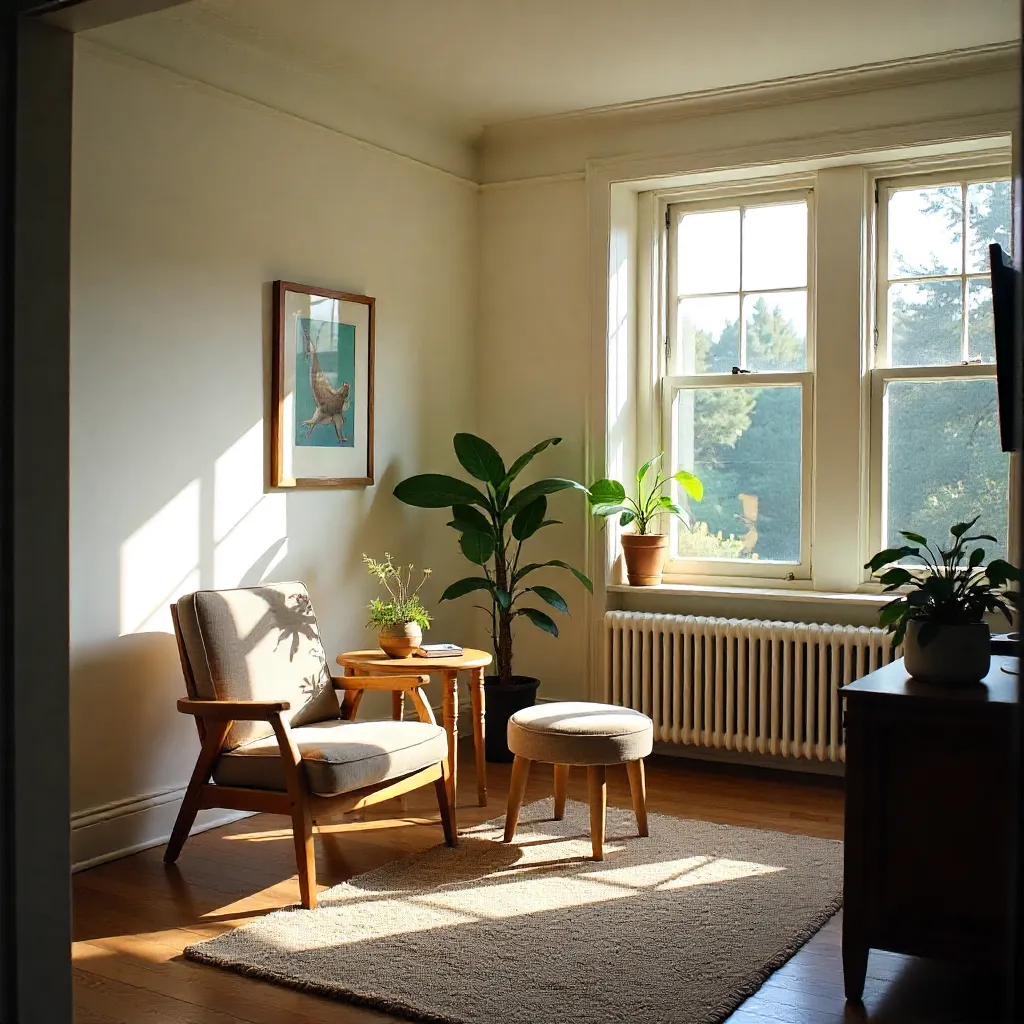
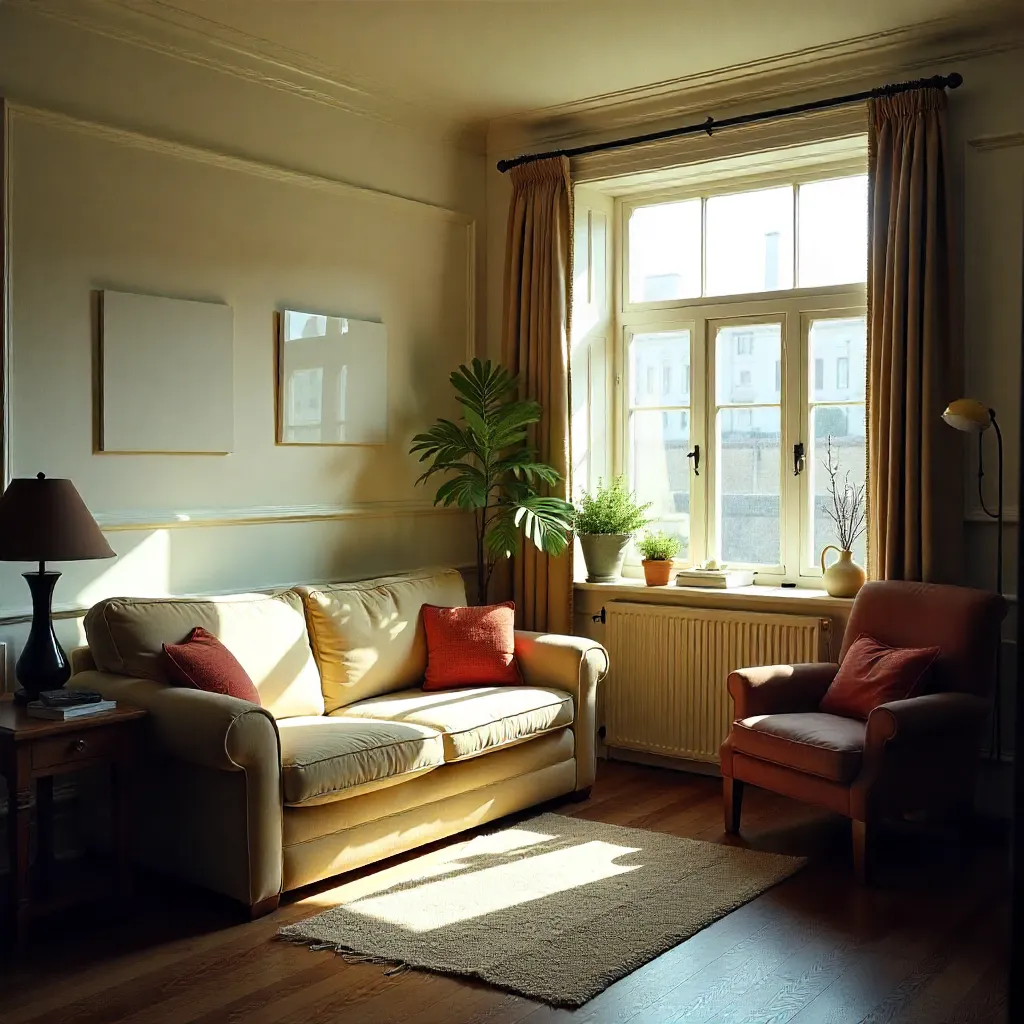
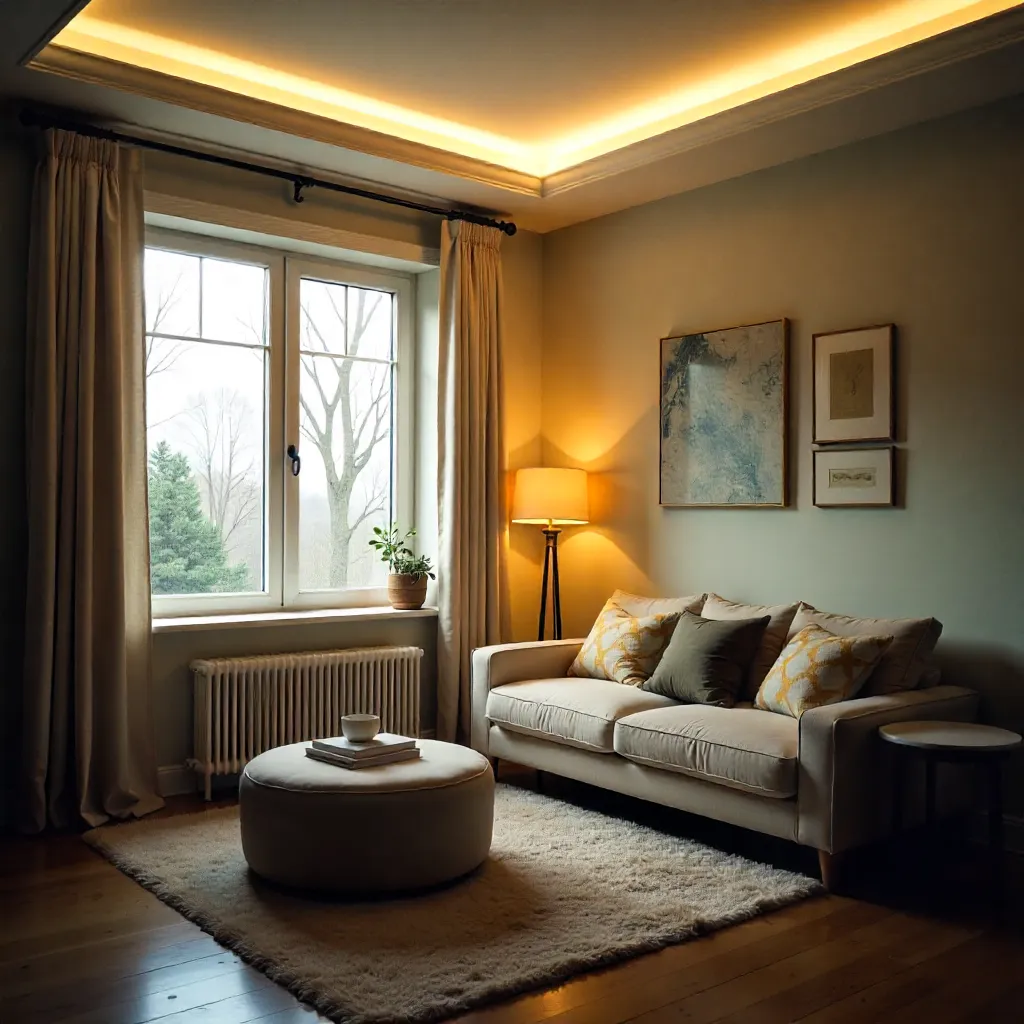
North-facing rooms receive indirect, cool-toned light throughout the day. This consistent illumination lacks the warmth of direct sunlight but offers a stable, even quality that can be enhanced through thoughtful design choices.

Light reflection techniques

Strategic Reflection

Mirrors and reflective surfaces positioned to catch and redirect available light can dramatically increase perceived brightness. The key lies in placement and angle, creating a dance of light across surfaces.

Material Selection

Light-optimized paint finishes

Paint Finishes

Satin and semi-gloss finishes reflect more light than matte surfaces. Choosing warm undertones prevents the space from feeling cold despite the cool light source.

Textile selection for brightness

Textile Choices

Bouclé fabrics and light-colored textiles add texture without absorbing light. These materials contribute to a sense of depth while maintaining brightness.

Furniture placement for light

Furniture Placement

Low-profile pieces and open shelving allow light to flow freely through the space. Strategic positioning ensures no corner remains in shadow.

Creating Visual Depth

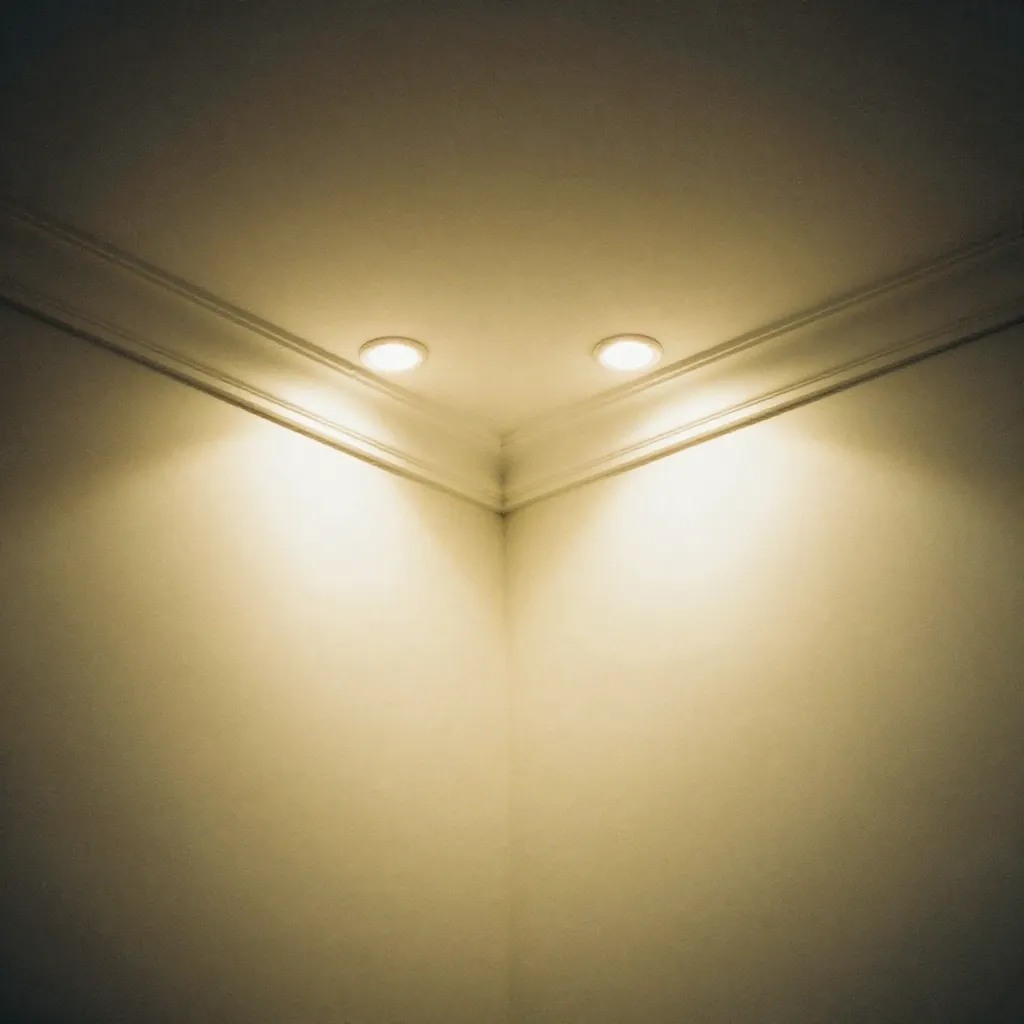
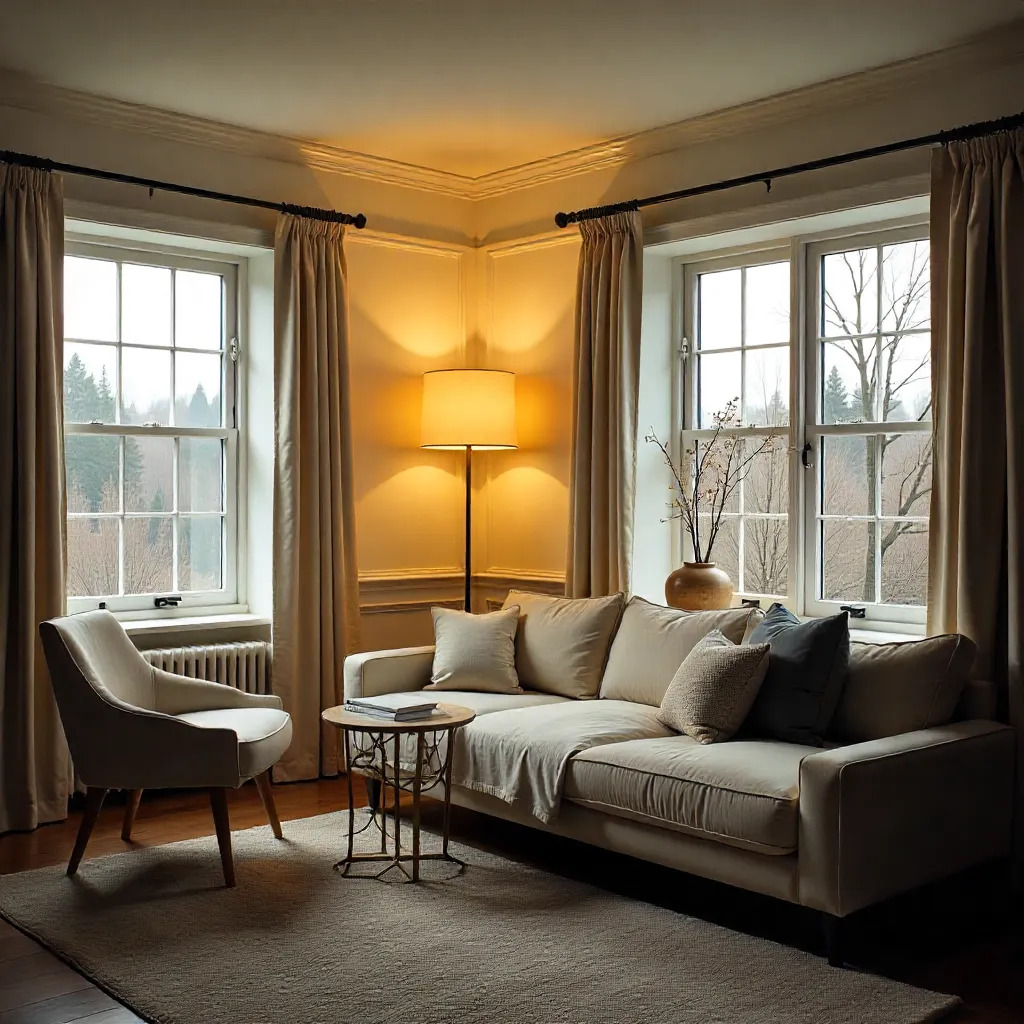
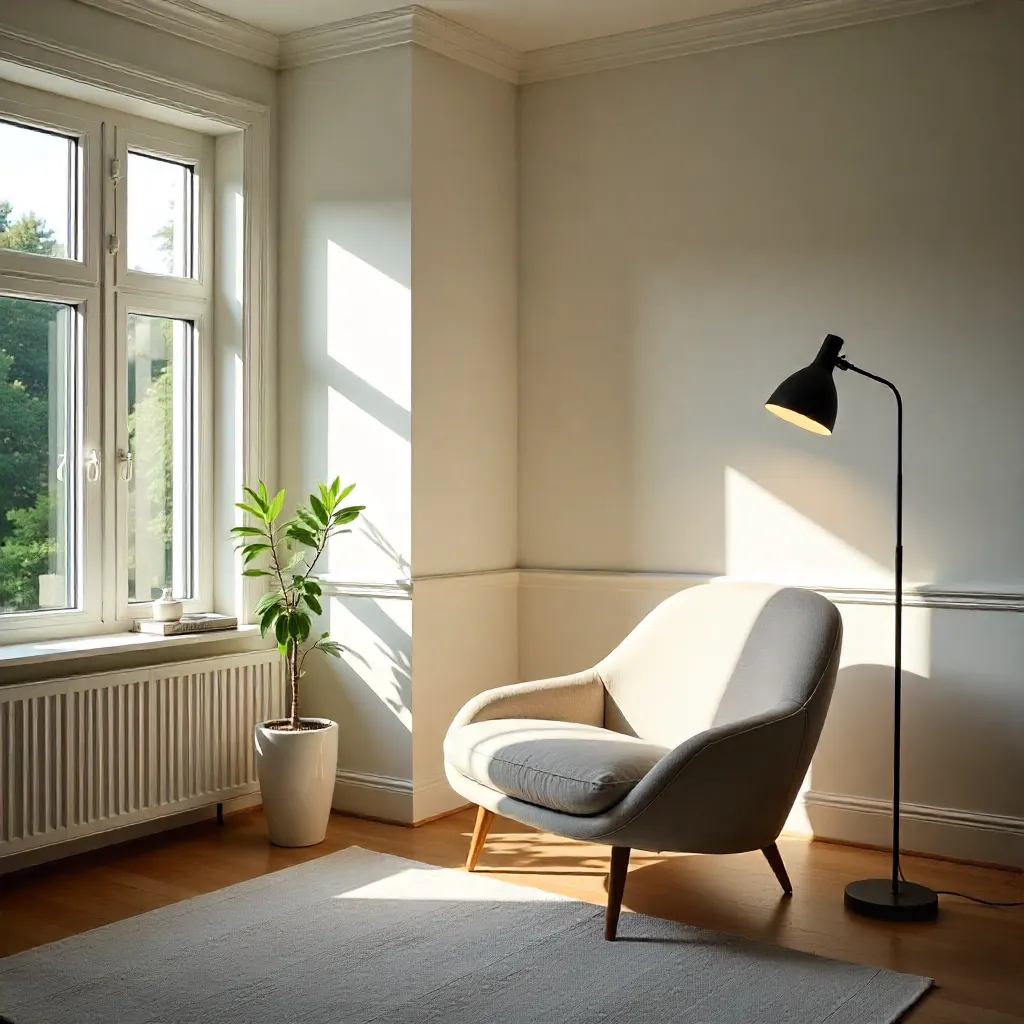
Bright corners in north-facing rooms aren't just about adding more light—they're about creating visual interest through layering. By combining different textures, finishes, and reflective qualities, we build depth that makes a space feel expansive rather than flat.

The interplay between matte and glossy surfaces, between warm and cool tones, creates a sophisticated balance. This approach respects the unique character of northern light while enhancing its potential.
We use cookies to enhance your browsing experience. By continuing to use this site, you consent to our use of cookies.